

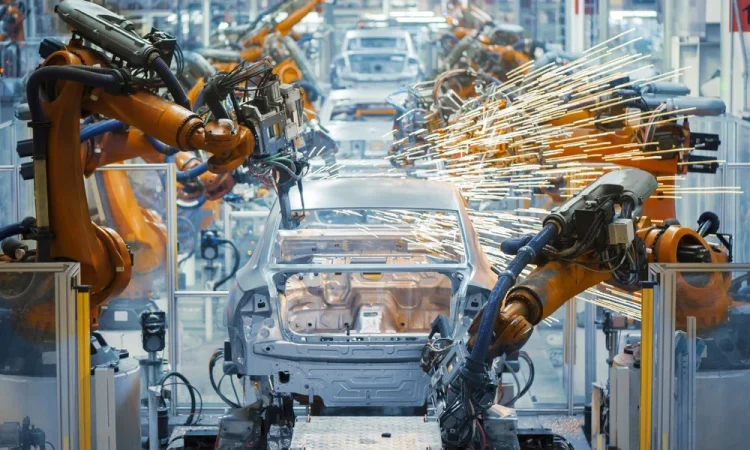

The automobile sector is evolving more quickly than before. These days, cars are more than just vehicles with four wheels, an engine, and a gearbox. Modern cars rely on sensors, software, sophisticated materials, and networked systems to enhance comfort, performance, and safety. Automotive engineers are playing a much bigger part in creating the cars of the future as these technologies advance.
Driven by rapid advancements in electrification, artificial intelligence, and lightweight material science, contemporary automotive engineering is shifting away from purely mechanical design toward creating intelligent, connected, and highly efficient transport systems.
Electricity Is Taking the Lead
One of the most significant developments in contemporary automobile engineering is electric vehicles. EVs use electric motors driven by battery packs rather than depending on gasoline or diesel engines. Scientists are trying to make these batteries safer, lighter, quicker to charge, and able to travel farther. Solid-state batteries are also gaining popularity because they potentially provide higher energy density and greater safety than many present battery types. At the same time, engineers are developing more efficient ways to regulate heat and improve battery life.
Smarter Cars Using Artificial Intelligence
Artificial intelligence is enabling vehicles to process massive quantities of information in real time. Cameras, radar, and other sensors can detect surrounding cars, pedestrians, road markers, and changing traffic conditions. These systems already include functions like automatic emergency braking, adaptive cruise control, and lane assist. As technology advances, AI may play an even greater role in automated driving and car maintenance. A car may be able to recognise anomalous behaviour and notify the driver in advance rather than waiting for a part to break.
Stronger Vehicles with Lightweight Materials
When engineers are working to increase electric range or fuel efficiency, every kilogram counts. Lightweight materials like aluminium, carbon-fibre composites, and sophisticated high-strength steels have become more popular as a result. Finding the ideal balance is difficult. The material must be lightweight without making the vehicle brittle or challenging to produce. Manufacturers are able to produce components that are stronger and lighter than their conventional equivalents thanks to modern engineering approaches.
Software-Defined and Networked Automobiles
A contemporary automobile may resemble a computer on wheels. Connected cars can talk with cellphones, cloud services, GPS systems, and even other automobiles. Software updates can offer new functionality without the need to visit a workshop. This transition also requires automobile engineers to seriously consider cybersecurity. Protecting car software and associated systems is becoming as critical as building durable mechanical components.
The future of Automobile Engineering:
The future of automobile engineering is anticipated to include electricity, AI, advanced materials, automation, and connectivity. Engineers are no longer just building vehicles that move from one location to another. They’re developing machines that can perceive their surroundings, learn from data, communicate with other systems, and adapt to changing requirements. The end result may be automobiles that are cleaner, safer, more efficient, and considerably more sophisticated.