
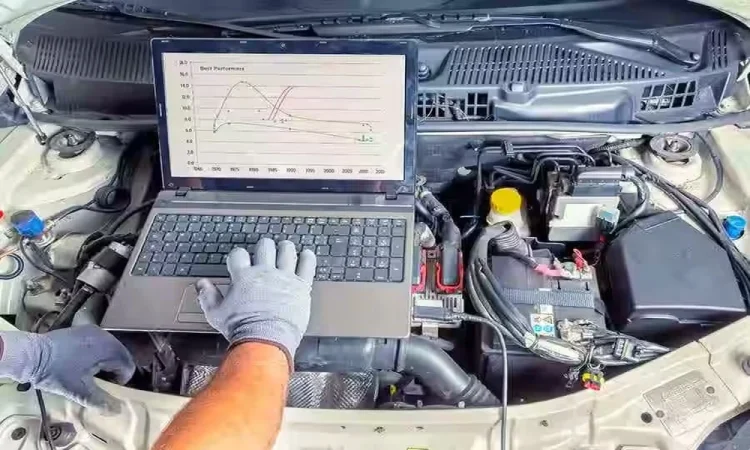
The engine temperature gauge climbing toward the red zone brings instant panic during highway drives. You feel the sudden loss of power while traffic speeds past your stranded vehicle. Heat management relies on a complex system working perfectly under extreme pressure at high speeds. The radiator stands as the primary component responsible for cooling circulating engine coolant effectively. When airflow remains insufficient or internal blockages occur the system fails to dissipate heat. This situation often indicates that the radiator cannot manage the thermal load during sustained operation.
You should seek professional guidance from Stringer Auto Repair when temperature spikes occur frequently during your daily commute. Understanding these cooling failures helps prevent catastrophic engine damage that often requires expensive total replacements.
Hidden Internal Blockages Within Core Channels
Modern radiators contain tiny metal passages that allow hot coolant to flow through cooling fins. Debris or mineral deposits from old coolant sometimes accumulate inside these narrow metal pathways over time. The restricted flow prevents the liquid from reaching the outside air for necessary heat exchange processes.
Technicians at Stringer Auto Repair frequently find sludge buildup in older cooling systems that never received proper flushing.
Failed Thermostat Preventing Proper Coolant Circulation
Sometimes the unit gets stuck in the closed position and stops all flow to the radiator. The engine traps all generated heat inside the block without any chance for effective liquid cooling. So the radiator sits cold while the engine block continues to boil over on the road. You must replace this inexpensive part immediately if the engine overheats despite having a clear radiator. A reliable Auto Repair in Johnstown, OH service will test the opening pressure to ensure consistent reliable engine temperature regulation.
Coolant Leaks Reducing System Pressure Levels
Pressurized systems allow coolant to reach higher temperatures without boiling away inside the metal engine chambers. Even small pinhole leaks cause a significant drop in total pressure across the entire cooling loop. Visit Stringer Auto Repair to perform a professional pressure test that identifies these tiny elusive cooling system leaks.
FAQ
What causes coolant to turn dark brown even after a full system flush recently?
Internal gasket material degradation often contaminates new fluid quickly necessitating a specialized chemical system cleaning process.
Why does the upper radiator hose feel hard while the lower hose feels soft?
This indicates a failing water pump impeller that cannot create necessary suction to circulate fluid through the radiator effectively.
Can ambient humidity levels significantly impact how fast a radiator dissipates heat during summer?
High humidity reduces the evaporation rate of air passing through fins slightly decreasing the overall thermal efficiency of metal cooling cores.
Why do some radiators develop tiny hairline cracks near the plastic side tank seams?
Repeated thermal expansion cycles fatigue the bonding adhesive between metal cores and plastic tanks leading to slow pressurized fluid seeping leaks.